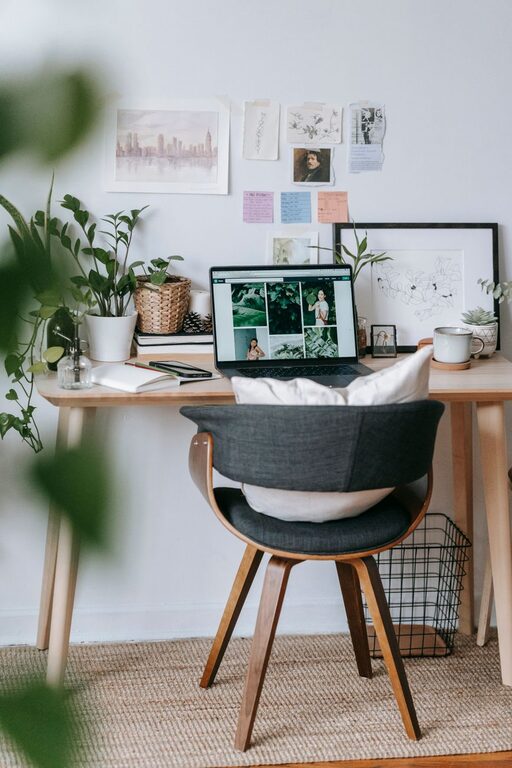
Creating a cozy and productive home office is more important than ever as many people work remotely or spend more time on their personal projects. A well-designed workspace can help you stay focused, reduce stress, and even improve your overall work-life balance. Whether you have a dedicated room or just a corner in your living room, these tips will guide you in making a home office that suits your style and needs.
Choose the Right Location
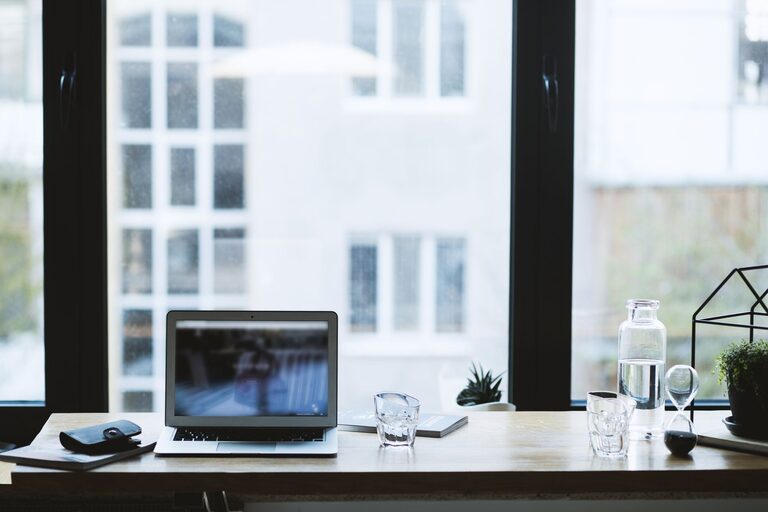
Finding the best spot for your home office is the first step. Ideally, pick a quiet area with minimal distractions. Natural light is a big plus, so look for spaces near windows. If you don’t have a separate room, use dividers or bookshelves to create some privacy in open areas.
Tips for Choosing Your Spot
– Avoid high-traffic areas: Stay away from places where family members or roommates often pass through.
– Consider noise levels: If needed, use noise-canceling headphones or a white noise machine.
– Think about your routine: Pick a space you feel comfortable using regularly and during your preferred working hours.
Invest in a Comfortable Chair and Desk
Ergonomics play a key role in your comfort and productivity. A supportive chair and a desk at the right height prevent physical strain, helping you work longer without discomfort.
What to Look for:
– Adjustable chairs: Choose one with adjustable height and lumbar support.
– Desk size: Make sure it offers enough space for your computer, notebooks, and other essentials.
– Standing desk options: Consider a sit-stand desk to vary your posture during the day.
Personalize Your Space
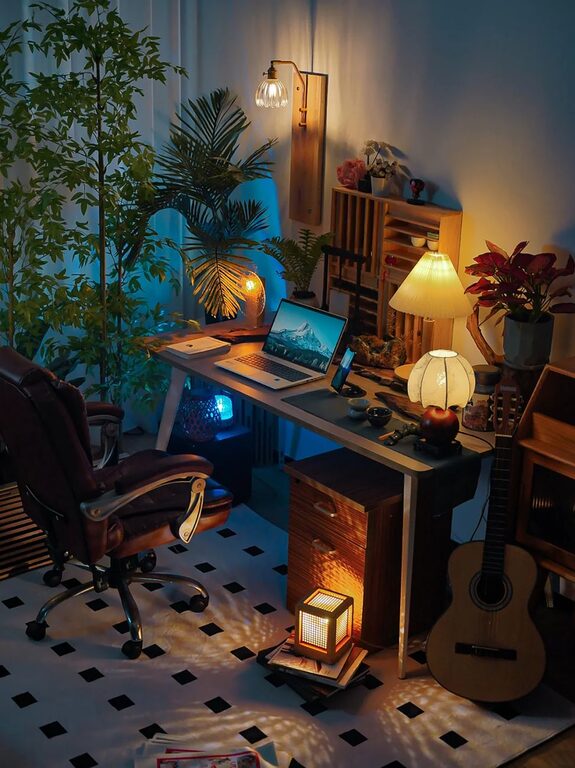
Make your home office feel inviting by adding personal touches that inspire you. This could be artwork, plants, or your favorite colors.
Ideas to Personalize Your Office:
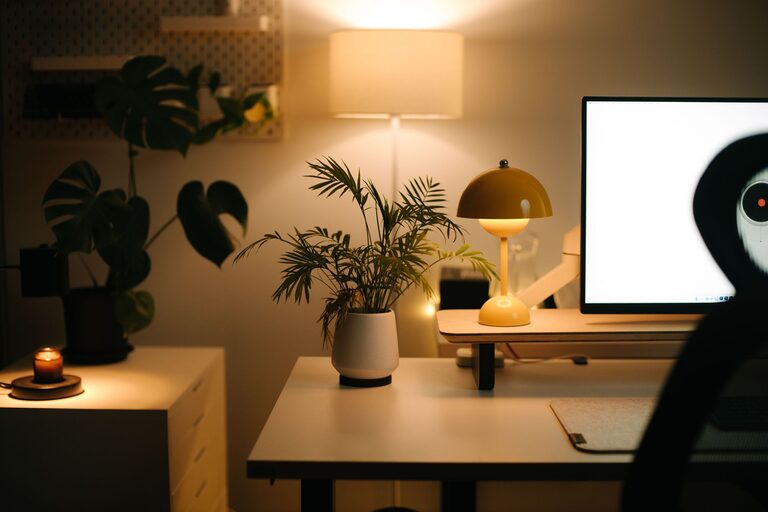
– Add plants: Greenery boosts mood and air quality.
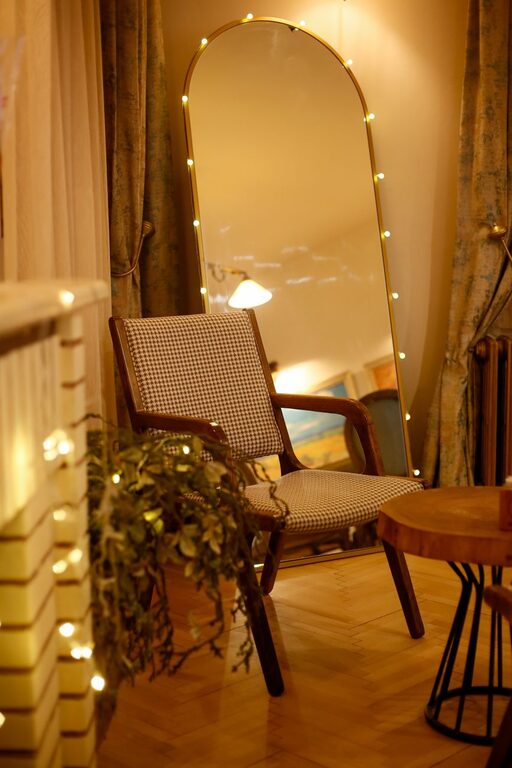
– Use warm lighting: Lamps or fairy lights can create a soft, cozy ambiance.
– Display meaningful items: Photographs, souvenirs, or motivational quotes can keep you motivated.
Organize Efficiently
Clutter can be distracting, so keeping your workspace tidy is essential. Use organizers to store supplies and documents neatly.
Organizational Tools:
– Desk organizers: For pens, paper clips, sticky notes, and other small items.
– Shelving units or cabinets: To store books, files, or larger materials.
– Cable management: Use clips or sleeves to keep cords under control.
Optimize Lighting
Good lighting reduces eye strain and improves focus. If natural light is limited, use layers of artificial light to brighten the room effectively.
Lighting Tips:
– Task lighting: A desk lamp with adjustable brightness is perfect for detailed work.
– Ambient lighting: Overhead lights or floor lamps add overall illumination.
– Avoid glare: Position screens and lights to prevent reflections and shadows.
Create a Routine and Clear Boundaries
Even the best setup won’t help if you don’t set boundaries around your work time and space. Establish a daily schedule and communicate your availability if you share your living space.
Helpful Habits:
– Set working hours: Try to start and end work at consistent times.
– Take breaks: Use short breaks to stretch and rest your eyes.
– Close the door or use signals: Let others know when you are not to be disturbed.
Incorporate Technology Wisely
Ensure your tech setup supports your work without causing distractions.
Technology Tips:
– Reliable internet connection: This is essential for video calls and cloud work.
– Quality peripherals: Invest in a good keyboard, mouse, and monitor.
– Backup and security: Keep your data safe with backups and updated antivirus software.
Add Comfort Features
Small comfort elements can make long work hours more pleasant.
Ideas to Stay Comfortable:
– A cozy blanket or cushion: Perfect if your office gets chilly.
– Footrests: Can improve posture and reduce strain.
– A water bottle or coffee mug: Keep hydration close by to stay refreshed.
Keep It Versatile
Finally, design your space so it can adapt to different tasks. Whether you need a brainstorming area, a video conferencing spot, or a place to write by hand, make sure your office can adjust to your needs.
Versatility Suggestions:
– Multi-purpose furniture: Folding tables or modular shelves.
– Whiteboards or corkboards: Great for notes, reminders, and planning.
– Extra seating: A comfortable chair or small sofa for informal meetings or breaks.
—
By following these tips, you can create a home office that not only meets your work requirements but also feels comfortable and welcoming. A thoughtfully designed workspace helps you maintain focus, reduce stress, and enjoy working from home. Take your time to customize your space, and you’ll likely find yourself looking forward to your workdays more than ever.
About the Author