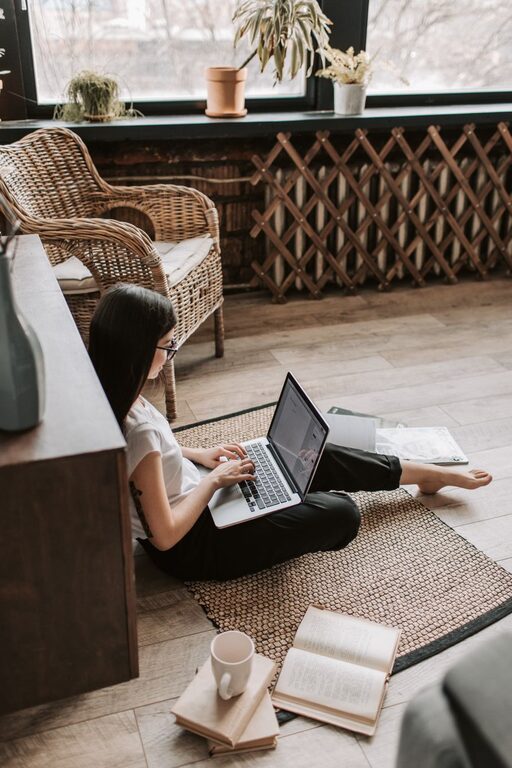
Creating a relaxing home office environment is essential for maintaining focus, reducing stress, and enjoying your workday. Whether you are new to remote work or looking to improve your current setup, small changes can make a big difference. This guide offers practical tips for designing a workspace that feels comfortable, calm, and inspiring.
Why a Relaxing Home Office Matters
Spending hours in a cluttered or stressful workspace can negatively affect your mood and productivity. A relaxing home office encourages creativity, promotes concentration, and helps separate work life from personal life. When your office feels inviting and peaceful, you naturally look forward to your work sessions.
Choose the Right Location
Find a Quiet Spot
Select a space in your home with minimal noise and distractions. If possible, avoid high-traffic areas like the kitchen or living room. A corner of a bedroom, spare room, or dedicated nook can work well.
Consider Natural Light
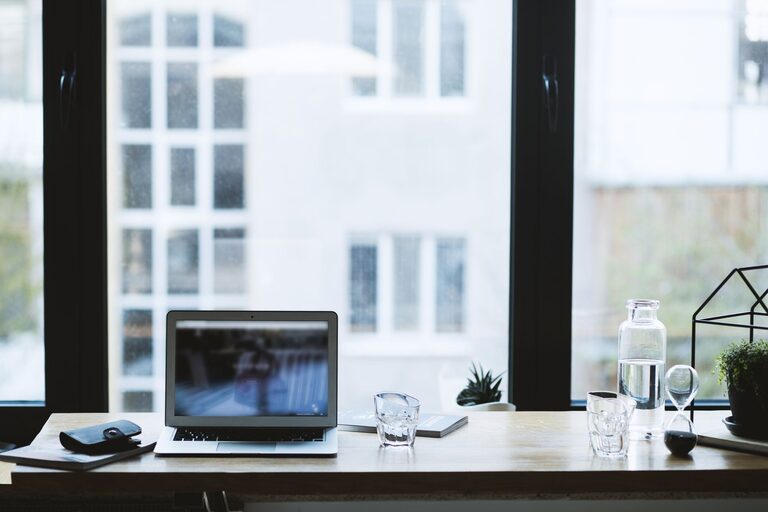
Locate your office near a window to take advantage of natural sunlight. Exposure to daylight improves mood and reduces eye strain. Avoid placing your computer screen directly in front of or behind windows to prevent glare.
Invest in Comfortable Furniture
Ergonomic Chair
An ergonomic chair supports your posture and reduces body fatigue. Look for adjustable height, lumbar support, and sufficient padding.
Desk Options
Choose a desk that fits your space and work needs. Standing desks or adjustable desks that switch between sitting and standing positions promote better circulation and energy.
Keep Essentials Within Reach
Organize your desk so frequently used items like your computer, planner, or phone are easy to access without cluttering the surface.
Organize and Declutter
Use Storage Solutions
Shelves, drawers, and desk organizers keep paperwork and supplies tidy. Consider vertical storage to save floor space.
Minimalism Helps
Keeping your desk clear of unnecessary items reduces distractions and creates a calming atmosphere.
Digital Declutter
Organize your computer files and email inbox to prevent feeling overwhelmed by digital clutter.
Add Calming Decor Elements
Choose Soothing Colors
Soft, neutral colors or pastels are known to reduce stress and improve focus. Consider painting walls or selecting furniture in shades like pale blue, green, or beige.
Bring in Nature
Houseplants improve air quality and add a touch of nature. Choose easy-care plants like succulents, snake plants, or pothos.
Inspirational Artwork
Pictures or artwork that inspire you can make your workspace more enjoyable. Keep it simple and positive.
Improve Lighting and Ambience
Layer Your Lighting
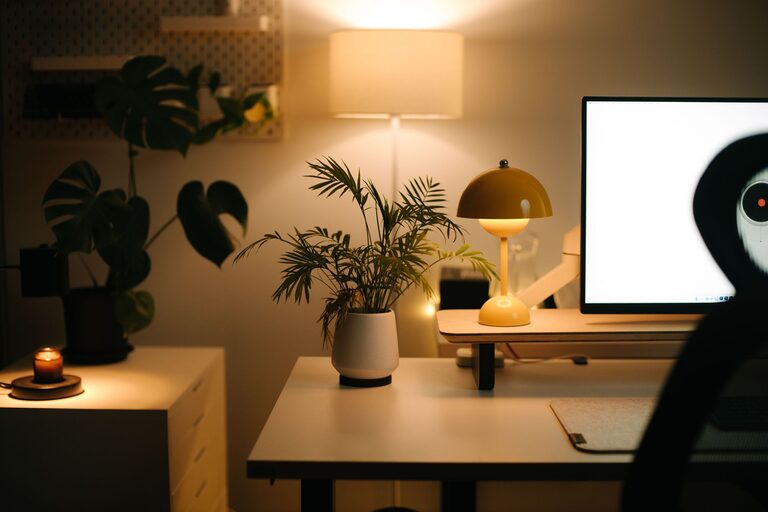
Use a combination of ambient lighting (ceiling lights), task lighting (desk lamps), and accent lighting to create a warm, balanced effect.
Avoid Harsh Fluorescents
Soft white LED bulbs or natural light are preferable for comfort and reducing eye strain.
Add Pleasant Scents
A subtle aroma from essential oils or candles can contribute to relaxation. Lavender, eucalyptus, or citrus scents are popular choices, but use them sparingly to avoid overwhelming fragrances.
Limit Noise and Distractions
Use Headphones or White Noise
Noise-canceling headphones or a white noise machine can help block distractions, especially if your home gets busy during work hours.
Set Boundaries
Communicate your work schedule with family or roommates to minimize interruptions.
Encourage Movement and Breaks
Designate a Stretch Area
Keep a mat or space nearby for stretching or brief exercise during breaks.
Schedule Breaks
Set reminders to stand, stretch, or take a walk outside to refresh your mind and body.
Personalize Mindfully
Add Personal Touches
Include a few items that make you smile, like photos or a favorite mug to keep your space welcoming without overcrowding the desk.
Rotate Decorations
Changing your decor occasionally can keep your environment feeling fresh and engaging.
Maintain Your Workspace Daily
At the end of each workday, spend a few minutes tidying your workspace. Clearing papers and turning off electronics signals the end of work and helps ease the transition back to home life.
—
A relaxing home office environment supports both your well-being and efficiency. By thoughtfully selecting your location, furniture, lighting, and decor, you create a space where work feels less like a chore and more like a pleasant activity. Implementing even a few of these tips can bring noticeable improvements to your daily routine. Happy organizing!
About the Author