Creating a cozy and functional home office space can make a significant difference in your work-from-home experience. Whether you’re a full-time remote worker, a freelancer, or someone who occasionally works from home, having a dedicated workspace that blends comfort with practicality helps you stay focused and motivated. Here are some helpful tips to design a home office that meets both your needs and style preferences.
Choose the Right Location
Finding the best spot in your home is the first step to creating an effective workspace.
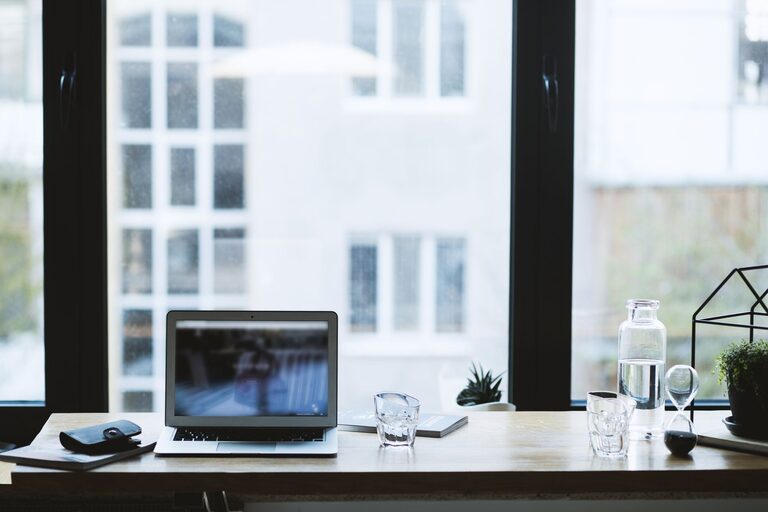
– Consider natural light: Position your desk near a window if possible. Natural light can boost mood, reduce eye strain, and create a pleasant atmosphere.
– Minimize distractions: Pick a quiet corner or a room with a door to avoid interruptions during work hours.
– Assess space: Ensure you have enough room for your essentials, such as a desk, chair, computer, and storage.
Invest in Ergonomic Furniture
Comfort is key when you spend long hours working at your desk.
– Desk: Choose a desk that fits your needs and space. Options range from traditional desks to adjustable standing desks.
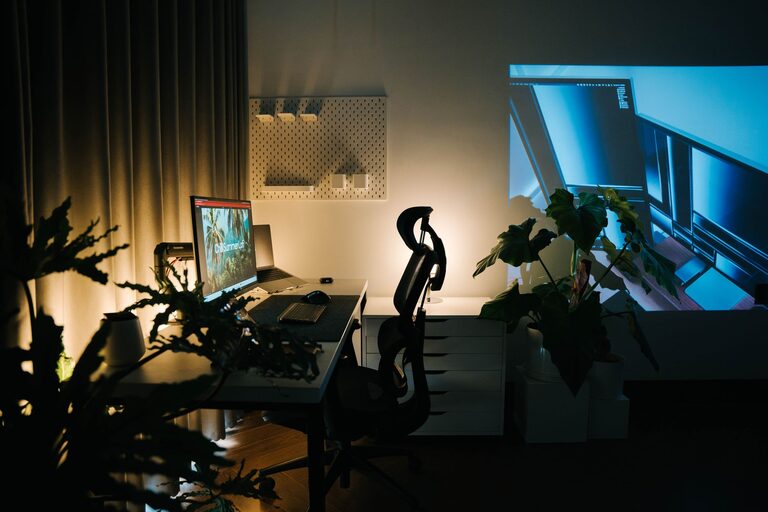
– Chair: An ergonomic chair with adjustable height, lumbar support, and armrests helps maintain good posture and reduce discomfort.
– Monitor placement: Position your computer screen at eye level to prevent neck strain.
Organize with Purpose
A clutter-free space promotes productivity and peace of mind.
– Storage solutions: Use shelves, filing cabinets, or baskets to keep documents and supplies organized.
– Desk organizers: Keep essential tools like pens, notebooks, and chargers within easy reach using trays or drawer dividers.
– Cable management: Use clips, ties, or sleeves to keep cords tidy and prevent tangling.
Personalize Your Space
Adding personal touches makes your office feel warm and inviting.
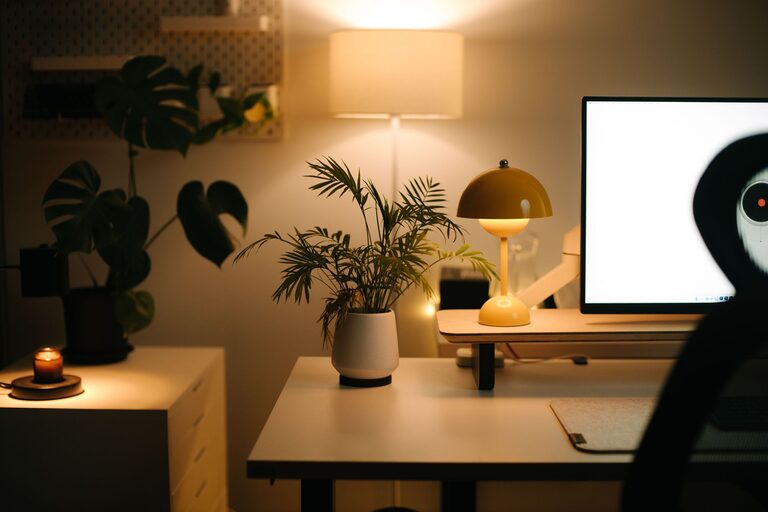
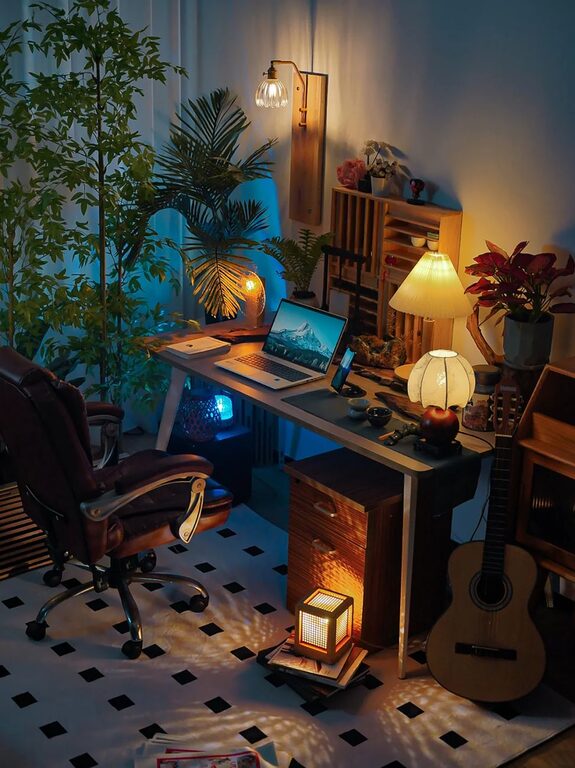
– Decor: Choose artwork, plants, or decorative items that inspire you.
– Color scheme: Select calming or motivating colors based on your preferences. Soft blues, greens, and neutrals often work well.
– Lighting: Incorporate a combination of ambient, task, and accent lighting to create a cozy atmosphere. A desk lamp with adjustable brightness is especially useful.
Incorporate Comfort Elements
Small comforts can improve how you feel throughout the day.
– Soft textiles: Add a cushion or throw blanket to your chair for extra coziness.
– Footrest: A footrest promotes proper circulation if your feet don’t comfortably reach the floor.
– Temperature control: Use a fan or heater if your workspace tends to get too hot or cold.
Design for Productivity
Your home office should support efficient work habits.
– Clear work zones: Define areas for computer work, note-taking, and storage to keep your workflow smooth.
– Minimize distractions: Use noise-canceling headphones, white noise machines, or room dividers to create a focused environment.
– Keep essentials handy: Stock your space with supplies like paper, pens, and chargers so you don’t waste time searching.
Maintain a Healthy Routine
Your workspace should encourage well-being.
– Break reminders: Set alarms or use apps to remind you to take short breaks and stretch.
– Movement space: Keep an open area nearby for quick exercises or stretches to reduce stiffness.
– Hydration: Keep a water bottle on your desk to stay hydrated throughout the day.
Final Thoughts
Designing a cozy and functional home office space doesn’t require a complete overhaul of your home. Small thoughtful changes—like improving organization, adding comfortable furniture, and personalizing your space—can make working from home more enjoyable and productive. By balancing comfort with efficiency, you’ll create a workspace that supports your best work and well-being. Take time to experiment with different layouts and accessories until your home office feels just right for you.
About the Author