Creating a cozy and functional home office is essential for anyone who works remotely or frequently brings work tasks into their living space. A well-designed office not only boosts productivity but also enhances your comfort and well-being during long hours of work. If you’re looking to transform a corner of your home into a practical and inviting workspace, these tips will help you get started.
Choose the Right Location
The first step in setting up a home office is selecting the best spot. Ideally, pick a quiet area with minimal distractions. If possible, choose a space with natural light, as sunlight helps improve mood and energy levels throughout the day. Avoid areas near heavy foot traffic or noisy appliances to maintain focus.
Invest in Comfortable Furniture
Your choice of furniture can make a huge difference in how comfortable and productive you feel.
– Ergonomic chair: A chair with good lumbar support is essential to reduce back strain during long work sessions.
– Desk size: Choose a desk that fits your needs. It should have enough surface area for your computer, documents, and any other tools you use regularly.
– Adjustable options: Consider height-adjustable desks or chairs to create a setup that suits your body and prevents discomfort.
Optimize Lighting
Lighting plays a key role in reducing eye strain and creating a pleasant atmosphere.
– Natural light: Position your desk near windows if possible, but avoid direct glare on your screen.
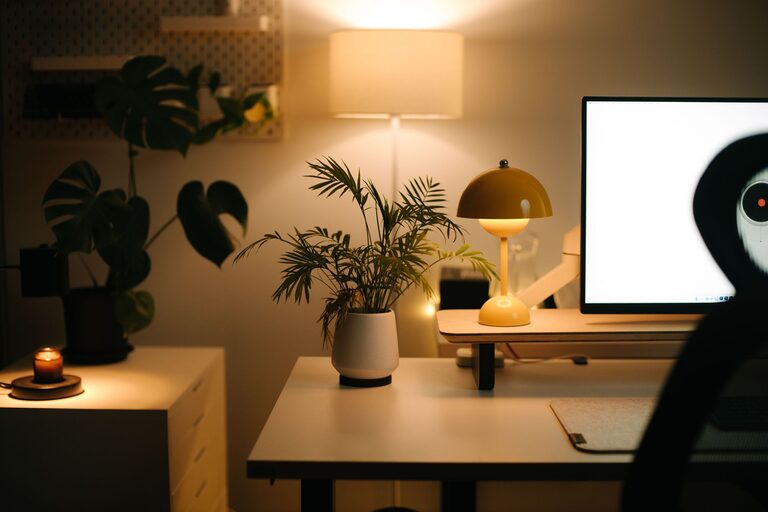
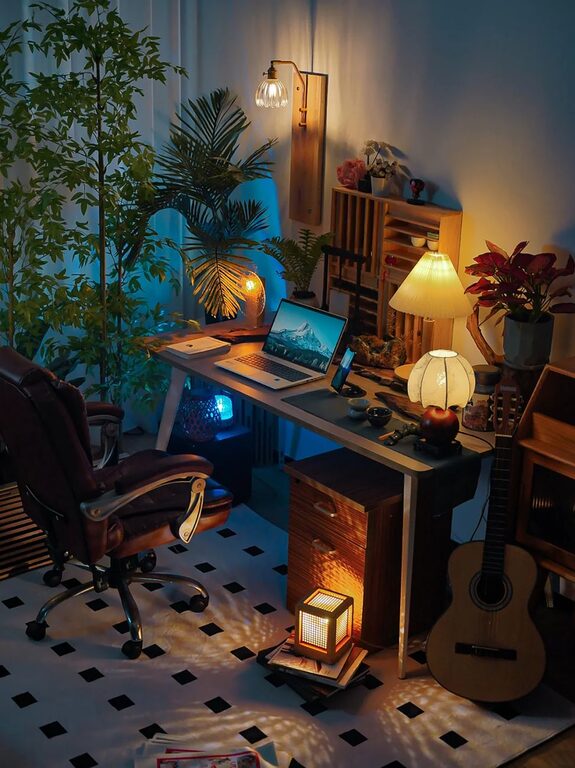
– Layered lighting: Use a combination of ambient lighting (overhead lights) and task lighting (desk lamps) to ensure adequate brightness.
– Warm light bulbs: For a cozy feel, opt for bulbs that emit warm light rather than harsh, cool-toned light.
Organize with Storage Solutions
An organized desk helps clear your mind and make work more efficient.
– Shelving and drawers: Use wall-mounted shelves or filing drawers to keep documents and supplies neat.
– Desk organizers: Small containers or trays can hold pens, paper clips, and other essentials within easy reach.
– Cable management: Use clips or cable boxes to keep cords tidy and avoid a tangled mess.
Personalize Your Space
Adding personal touches can make your office feel welcoming and inspire creativity.
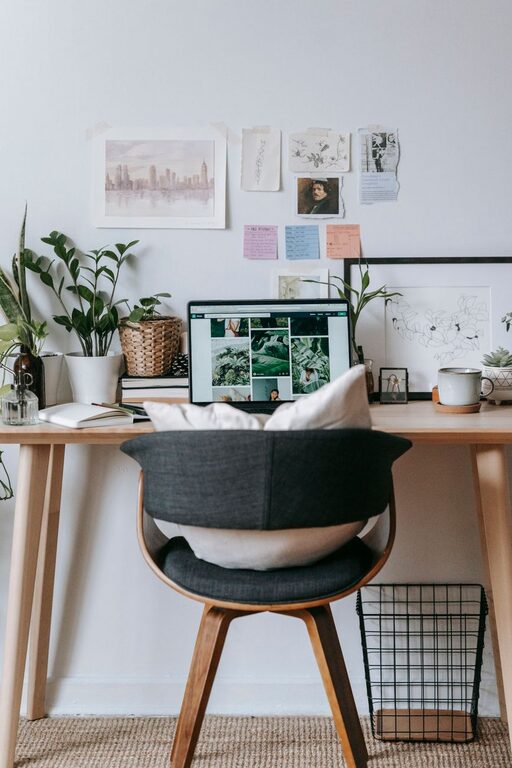
– Plants: Indoor plants add color and improve air quality. Choose easy-to-care-for varieties like succulents or pothos.
– Artwork and photos: Decorate with framed pictures, motivational quotes, or artwork that makes you happy.
– Rugs and cushions: Soft textiles add texture and warmth, making your office cozier.
Maintain Good Air Quality
A workspace with fresh air improves concentration and health.
– Ventilation: Open windows regularly or use a fan or air purifier to keep the air fresh.
– Humidity: If your space is dry, consider a small humidifier to maintain a comfortable atmosphere.
Minimize Distractions
Keeping distractions to a minimum helps maintain focus.
– Noise control: Use noise-canceling headphones or white noise machines if your environment is noisy.
– Technology discipline: Limit phone notifications and social media use during work hours.
Establish a Clear Work Routine
Having a dedicated workspace helps separate work from home life.
– Set boundaries: Let others in your home know your office hours.
– Designate “start” and “end” times: This helps maintain productivity and prevents burnout.
Keep It Flexible
As your work changes, your office setup might need adjustments.
– Modular furniture: Pieces that can be moved or repurposed allow you to adapt your space easily.
– Extra seating: A comfortable chair for reading or brainstorming can be a nice addition.
—
Designing a cozy and functional home office may take some time, but the payoff in comfort and productivity is worth the effort. By carefully considering location, furniture, lighting, storage, and personal touches, you can create a space that supports your work and feels like your own. Remember, small changes can make a big difference—start with the basics and customize as you go!
About the Author